JO SHELDRAKE
Landscape & Garden Design

"To plant a garden is to believe in tomorrow" - Audrey Hepburn


Raised beds
They provide a mix of practical benefits aswell as enhancing the architectural element of the garden.
-
Raised beds make gardening accessible to everyone
-
Raised beds provide an opportunity to customize the growing environment for your plants by allowing you to select your preferred growing materials.
-
Raised beds help to deter pests like dogs and badgers.
-
A raised bed will extend the growing season as they retain heat, moisture and thaw more rapidly than the open soil.

Planting in shady areas
If you have a shady area in your garden and you would like some advice choosing plants. I create and develop winter gardens which are full of textures, form and colour throughout the winter months. By selecting shade-tolerant plants such as ferns, Japanese anemones and Brunnera, your shady borders will be transformed into a stunning display for winter.

Planting for Pollinators
Planting colourful flowers will attract bees, butterflies, moths and hoverflies into your garden and provide vital pollen and nectar-rich food for them. Here are some ideas for what to plant this year if you'd like to attract
-
Spring flowering Crocuses and Pulmonaria are great for emerging Queen bumblebees searching for nest sites.
-
Summer flowering Lavender and Aliiums are easy to grow and provide both Honey bees and short tongued species like the Red-tailed mason bees
-
Single flowering Dahlias, Sedums and Daisies provide a late season 'pit-stop' for many Bee species such Honey bees, Common Carder, Solitary and Mining bees when many nectar sources have faded.
Wildflowers
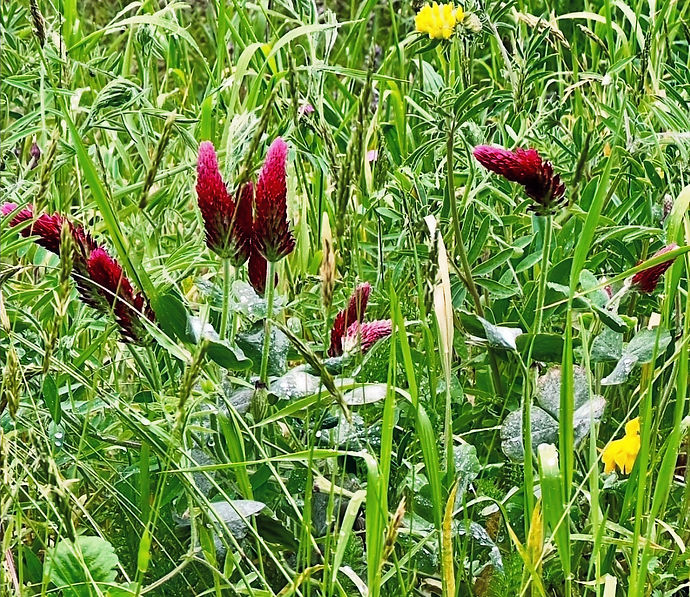
Transform your space, into a haven for pollinating insects by laying wildflower turf or sowing wildflower seeds. Whether you have a meadow or a single pot, wildflowers are easy to grow and maintain. Wildflowers will enhance your outdoor space and provide a tapestry of colour, texture and year round interest. Choosing the Woodland Mix from Pictorial Meadows is perfect for this shady area.
Wildflowers also create a nectar-rich habitat for pollinating insects enabling them to feed and nest safely.
Wildflower turf is a great alternative to a traditional lawn and has the added advantage of decreasing mowing time.

Summer Colour
Create a flower garden full of colour with a variety of plant types such a Lavender, Nepeta, Verbena, Gladioli and Verbascum creates a relaxed and natural landscape of vibrant colours and textures.

Cutting Gardens
Creating a dedicated border for cut flowers allows you to bring the beauty of your garden indoors. Choosing varieties like Dahlias and Cosmos means the more you harvest the more they grow, so avoiding ugly gaps in your border.

Choosing the right plants.
The "Right Plant, Right Place" philosophy, popularized by renowned gardener Beth Chatto in the 1960s, is a straightforward, sustainable approach to gardening. It means matching a plant's natural needs to the existing conditions of your garden rather than trying to force a plant to grow in a location it dislikes.